
It’s the question almost everyone thinks — even if they don’t say it out loud.
“Fried pizza… that must be heavy.”
“Surely it’s greasy?”
Totally fair assumptions. But here’s the truth:
Proper pizza fritta isn’t greasy at all.
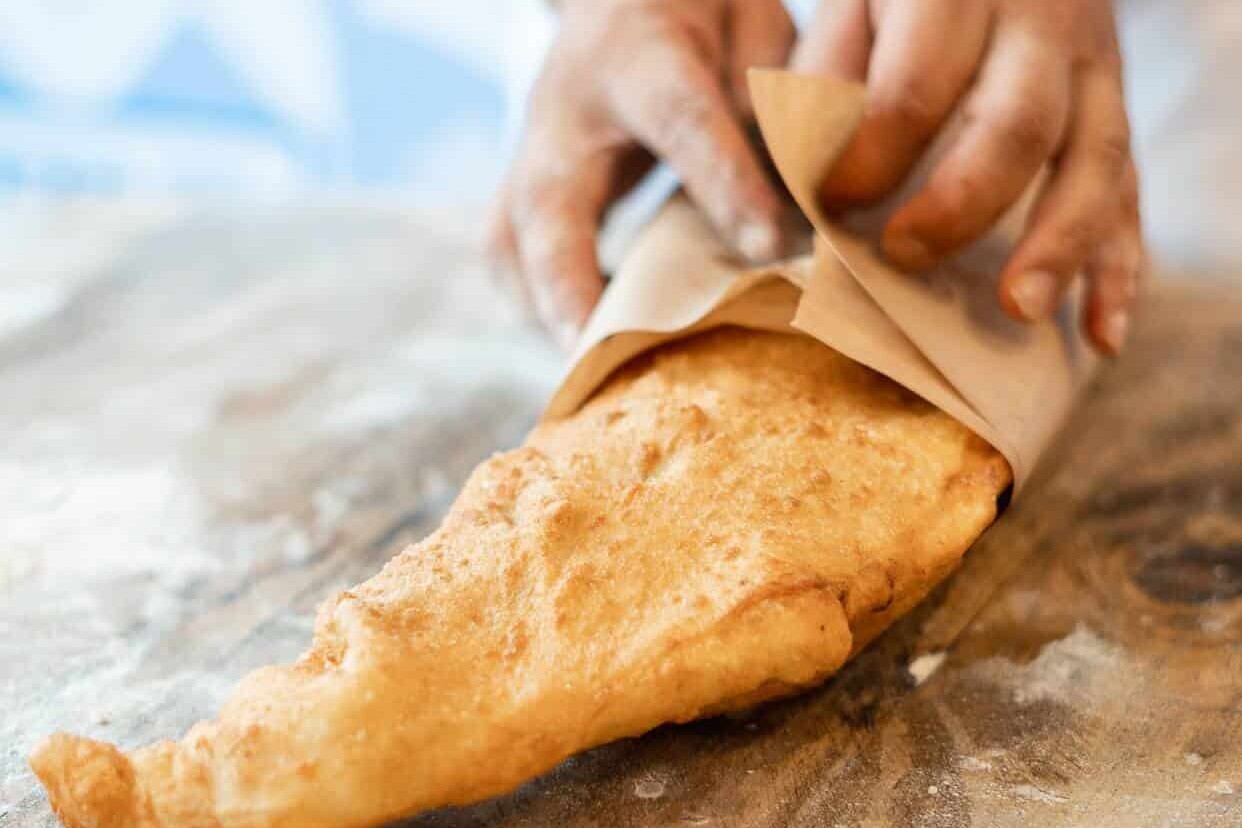
When it’s made correctly, pizza fritta is crisp, light, airy and surprisingly balanced — more like a perfectly fried Italian street food than anything you’d associate with fast food.
So why does pizza fritta get such a bad rap? And what actually keeps it light?
Let’s break it down.
👉 Discover authentic Neapolitan pizza fritta in Sydney
The Misconception: “Fried” Equals “Greasy”
In most people’s minds, fried food means:
- oil-soaked
- heavy
- something you regret halfway through
But that’s not how traditional Italian frying works.
In Italy, frying is used to enhance texture, not drown food in oil. From arancini to fritto misto, the goal is always the same: quick cooking, crisp exterior, light interior.
Pizza fritta follows that exact philosophy.
The Secret Is Temperature (Not Oil)
The biggest factor in whether pizza fritta feels greasy is oil temperature.
When it’s done properly:
- the oil is hot
- the dough seals instantly
- moisture turns to steam inside
- oil can’t soak in
When it’s done poorly:
- oil is too cool
- the dough absorbs fat
- the texture turns dense
- the pizza feels heavy
Pizza fritta should cook fast, not slowly. That’s how you get the signature crackle on the outside and cloud-soft dough inside.
👉 Taste the difference technique makes
Why Pizza Fritta Stays Light Inside
Pizza fritta starts with real pizza dough, not batter.
That dough:
- stretches naturally
- traps air
- expands rapidly when fried
- creates pockets of steam
Those steam pockets are what give pizza fritta its lightness. They lift the dough from the inside, keeping it airy and preventing oil from seeping in.
That’s why when you tear open a pizza fritta, you get that warm burst of steam — not oil.
Dough Matters More Than Fillings
Another reason pizza fritta doesn’t feel greasy? Balance.
Traditional pizza fritta fillings are intentionally restrained:
- ricotta
- mozzarella
- cured meats
- vegetables
They’re rich, yes — but never overloaded.
Too much filling = trapped moisture = soggy dough. Italian cooking avoids that by keeping everything proportioned.
👉 See how balance plays out on the plate
Fried Doesn’t Mean Unhealthy (In Context)
No one’s claiming pizza fritta is a salad — but “fried” doesn’t automatically mean worse than baked.
Consider this:
- pizza fritta cooks quickly
- less moisture loss = less oil absorption
- the interior stays soft, not dry
- you feel satisfied sooner
In practice, many diners find pizza fritta less heavy than a large, baked pizza loaded with cheese and toppings.
The Difference Between Pizza Fritta And “Deep-Fried Pizza”
This is where confusion really kicks in.
“Deep-fried pizza” can mean:
- battered pizza
- leftover slices fried again
- novelty fair food
Pizza fritta is none of those things.
Pizza fritta is:
- purpose-made dough
- fried fresh
- cooked hot and fast
- rooted in Neapolitan tradition
That distinction is everything.
👉 Learn what pizza fritta really is
Is Pizza Fritta Filling?
Yes — but not in the “I need to lie down” way.
Pizza fritta is:
- satisfying
- comforting
- rich in flavour
But because the interior is airy, you don’t get that dense, weighed-down feeling. It’s indulgent without being overwhelming — especially when shared.
How Italians Eat Pizza Fritta (And Why It Works)
Pizza fritta is rarely eaten alone in Italy.
It’s often:
- shared across the table
- paired with sides or antipasti
- eaten slowly, not rushed
That social style naturally keeps the meal balanced. You’re tasting, tearing, talking — not demolishing a single oversized portion.
Dine In vs Takeaway: Does It Change The Texture?
Pizza fritta is at its absolute peak when eaten fresh — that crisp shell and steamy centre are unbeatable.
That said, it travels well because:
- the structure holds
- the exterior stays intact
- it was designed as street food
For takeaway, the trick is ordering thoughtfully and enjoying it while it’s warm.
👉 Eating at home tonight?
👉 Order now
So… Is Pizza Fritta Greasy?
When it’s done right?
No. Not at all.
It’s crisp, light, steamy and deeply satisfying — a completely different experience from what most people expect when they hear “fried pizza”.
The only way to really understand it is to try it fresh, made properly, by people who respect the tradition.
👉 Experience pizza fritta the way it’s meant to be
Frequently Asked Questions
Proper pizza fritta shouldn’t feel greasy. When it’s fried hot and fast, the dough seals quickly and stays light inside, preventing oil absorption.
Because it’s cooked at high temperature. The exterior seals almost instantly, while steam inside keeps the dough airy and light.
Not necessarily. Many people find pizza fritta lighter than heavily topped baked pizza because the interior stays airy and the portion style encourages sharing.
Pizza fritta is indulgent, but it’s made from real dough and cooked quickly. Like most Italian food, it’s about balance and quality rather than excess.
Dine-in delivers the best fresh texture, but pizza fritta also works well as takeaway thanks to its sturdy structure and street-food roots.