
Pizza fritta has been one of Naples’ most beloved street foods for more than a century — yet outside Italy, many people are only just discovering it.
So why has this deep-fried, folded pizza endured for generations?
Why does it inspire such loyalty in Naples?
And why are Sydney diners suddenly obsessed with it?
The answer isn’t just that it’s fried. It’s that pizza fritta delivers something most pizzas don’t: contrast, nostalgia, portability and theatre — all in one bite.
Let’s break down exactly why pizza fritta is so popular, and why its moment in Sydney makes perfect sense.
👉 Discover Authentic Neapolitan Pizza Fritta In Sydney
It Was Born From Necessity (And That Still Matters)
Pizza fritta rose to prominence during World War II, when wood for ovens and certain toppings became expensive and scarce. Frying dough in oil was cheaper and faster than baking it.
But what started as practicality evolved into culture.
The flash-frying method — traditionally around 180 degrees — sealed the dough instantly while keeping the interior soft and steamy. The result was a crisp shell with a pillowy centre. Different from baked pizza. More intimate. More hands-on.
Pizza fritta wasn’t an alternative. It became a staple.
👉 Learn What Pizza Fritta Actually Is
The Texture Is Addictive
One of the biggest reasons pizza fritta is so popular is texture.
Baked pizza offers chew and char.
Pizza fritta offers crackle and steam.
When you tear open a freshly cooked pizza fritta:
- the exterior shatters lightly
- warm steam escapes
- the filling melts into the airy interior
That contrast — crisp outside, soft inside — is deeply satisfying. It’s closer to biting into a perfectly fried arancini than a slice of pizza.
It’s indulgent, but it doesn’t feel heavy when made properly.
It’s Built For The Street
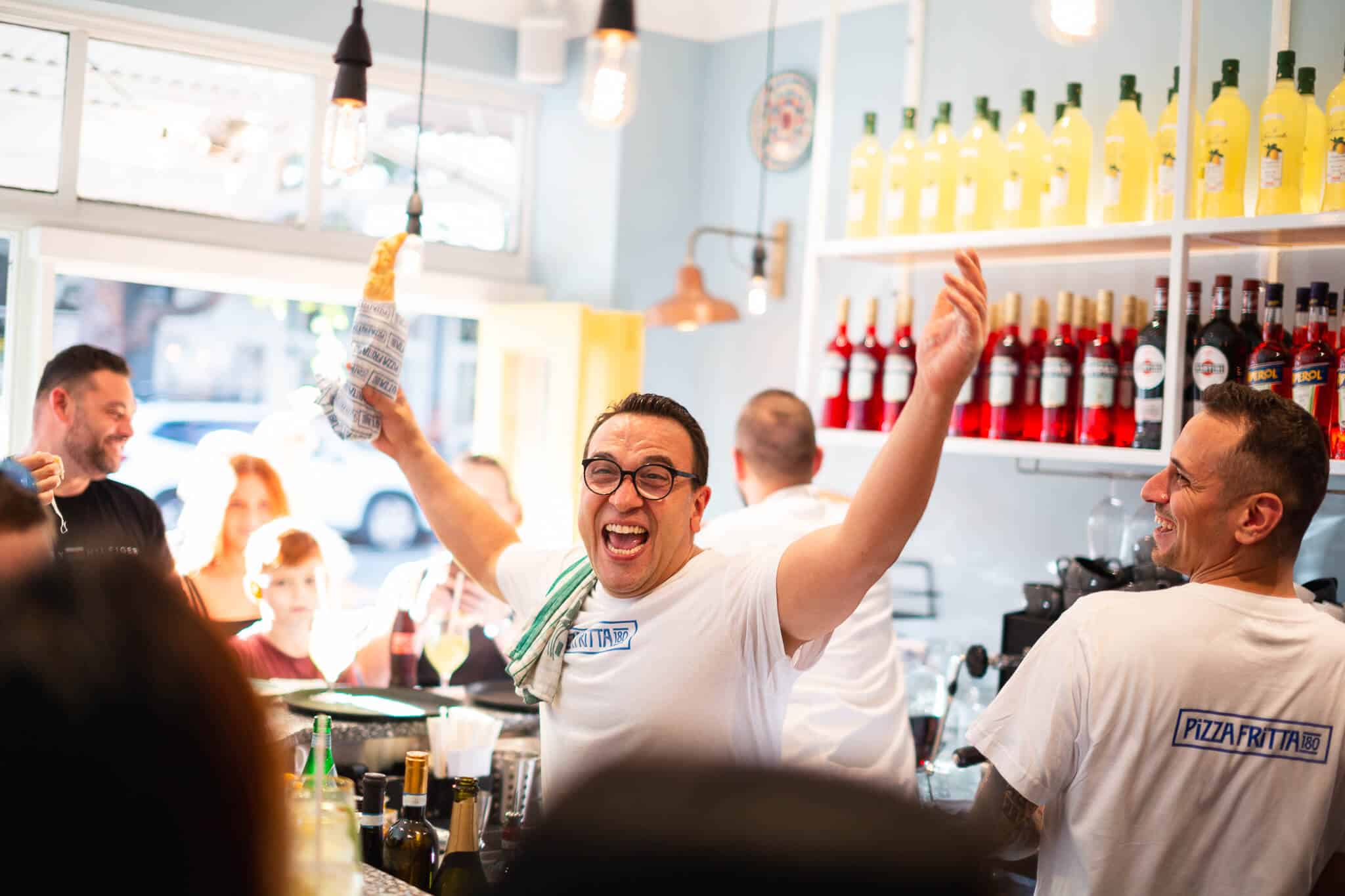
Pizza fritta isn’t plated for formality. It’s wrapped in paper. It’s eaten standing up. It’s held in one hand while you talk with the other.
That portability makes it social.
In Naples, vendors would fry batches and deliver them around neighbourhoods. Families ordered them from balconies. Friends ate them late at night after work.
It’s casual food — but crafted food.
That street-food DNA still defines its appeal today.
It Feels Indulgent Without Being Overwhelming
“Fried” can scare people.
But pizza fritta is flash-fried hot and fast. The dough seals quickly, preventing oil from soaking in. The interior remains light because steam expands inside the pocket.
The result is rich and satisfying — not dense and greasy.
Many first-timers are surprised by how balanced it feels, especially when shared.
It’s Different From Every Other Pizza In Sydney
Sydney has no shortage of excellent wood-fired pizza. But pizza fritta stands apart because it offers:
- A sealed, filled format rather than open-faced slices
- A crisp shell instead of a chewy base
- A more tactile eating experience
- A nod to Naples’ street culture
It’s familiar in flavour — tomato, mozzarella, salami, ricotta — but unfamiliar in execution.
That combination makes it exciting.
It’s not a gimmick. It’s a parallel tradition.
It Encourages Sharing
Pizza fritta works best when ordered for the table.
Rather than everyone ordering individual mains, diners:
- tear it open
- pass pieces around
- compare fillings
- build a mix of dishes
That communal rhythm makes meals feel relaxed and celebratory.
It turns dinner into an experience instead of a transaction.
It Has Cinematic Heritage
Pizza fritta became culturally iconic thanks in part to Sophia Loren’s character in The Gold of Naples (1954), where she famously eats one wrapped in paper on the street.
That image — simple, joyful, unapologetically indulgent — still defines pizza fritta’s identity.
It’s not fine dining. It’s real dining.
It Connects Tradition With Modern Dining
Pizza fritta feels old-world, but it fits perfectly into modern urban culture.
Sydney diners want:
Authenticity
Strong culinary roots
Casual social dining
Something they haven’t already had
Pizza fritta ticks every box.
And in neighbourhoods like Surry Hills — energetic, social, slightly rebellious — it feels completely at home.
So Why Is Pizza Fritta So Popular?
Because it delivers on multiple levels at once:
- Heritage
- Texture
- Portability
- Comfort
- Theatre
- Shareability
It’s nostalgic without being outdated.
Indulgent without being excessive.
Different without being alien.
That balance is rare.
And once you try it fresh — crisp shell cracking open to reveal molten filling — it’s easy to understand why Naples never stopped loving it.
👉 Try Pizza Fritta For Yourself
Frequently Asked Questions
Pizza fritta became popular because it was affordable, portable and deeply satisfying. Over time, it became a beloved street-food tradition rooted in community and culture.
No. Pizza fritta is a traditional Neapolitan style where the dough is sealed (often folded or filled) and flash-fried, creating a crisp shell and airy interior.
When made properly, pizza fritta is surprisingly light inside thanks to high-temperature frying that seals the exterior quickly.
Wrapping pizza fritta in paper reflects its street-food origins and makes it easy to eat by hand while it’s hot.
Yes. It’s commonly shared across the table, torn into pieces and enjoyed socially.