
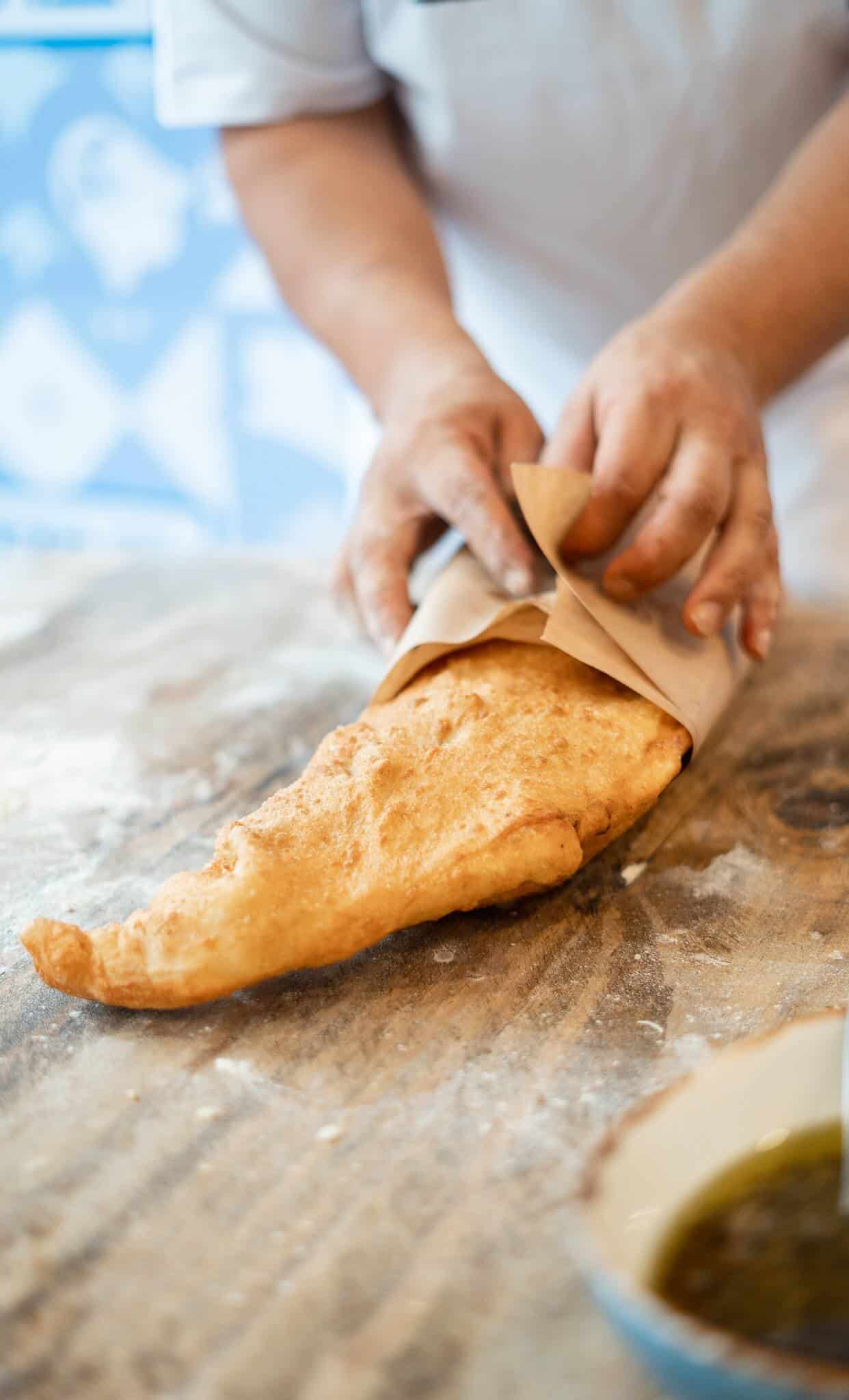
Is Pizza Fritta Greasy? Why Proper Fried Pizza Is Surprisingly Light
It’s the question almost everyone thinks — even if they don’t say it out loud.
“Fried pizza… that must be heavy.”
“Surely it’s greasy?”
Totally fair assumptions. But here’s the truth:
Proper pizza fritta isn’t greasy at all.
When it’s made correctly, pizza fritta is crisp, light, airy and surprisingly balanced — more like a perfectly fried Italian street food than anything you’d associate with fast food.
So why does pizza fritta get such a bad rap? And what actually keeps it light?
Let’s break it down.
👉 Discover authentic Neapolitan pizza fritta in Sydney
The Misconception: “Fried” Equals “Greasy”
In most people’s minds, fried food means:
- oil-soaked
- heavy
- something you regret halfway through
But that’s not how traditional Italian frying works.
In Italy, frying is used to enhance texture, not drown food in oil. From arancini to fritto misto, the goal is always the same: quick cooking, crisp exterior, light interior.
Pizza fritta follows that exact philosophy.
The Secret Is Temperature (Not Oil)
The biggest factor in whether pizza fritta feels greasy is oil temperature.
When it’s done properly:
- the oil is hot
- the dough seals instantly
- moisture turns to steam inside
- oil can’t soak in
When it’s done poorly:
- oil is too cool
- the dough absorbs fat
- the texture turns dense
- the pizza feels heavy
Pizza fritta should cook fast, not slowly. That’s how you get the signature crackle on the outside and cloud-soft dough inside.
👉 Taste the difference technique makes
Why Pizza Fritta Stays Light Inside
Pizza fritta starts with real pizza dough, not batter.
That dough:
- stretches naturally
- traps air
- expands rapidly when fried
- creates pockets of steam
Those steam pockets are what give pizza fritta its lightness. They lift the dough from the inside, keeping it airy and preventing oil from seeping in.
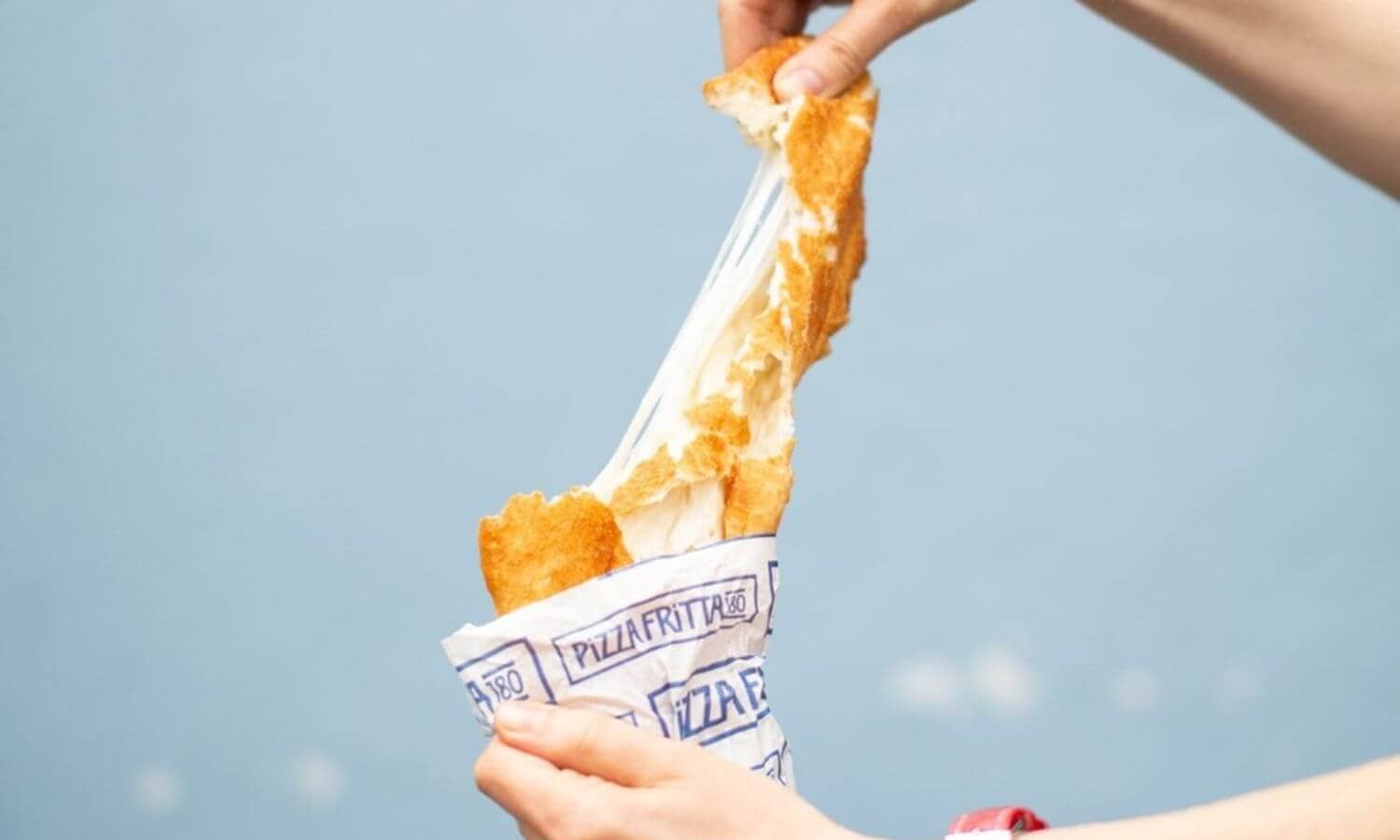
That’s why when you tear open a pizza fritta, you get that warm burst of steam — not oil.
Dough Matters More Than Fillings
Another reason pizza fritta doesn’t feel greasy? Balance.
Traditional pizza fritta fillings are intentionally restrained:
- ricotta
- mozzarella
- cured meats
- vegetables
They’re rich, yes — but never overloaded.
Too much filling = trapped moisture = soggy dough. Italian cooking avoids that by keeping everything proportioned.
👉 See how balance plays out on the plate
Fried Doesn’t Mean Unhealthy (In Context)
No one’s claiming pizza fritta is a salad — but “fried” doesn’t automatically mean worse than baked.
Consider this:
- pizza fritta cooks quickly
- less moisture loss = less oil absorption
- the interior stays soft, not dry
- you feel satisfied sooner
In practice, many diners find pizza fritta less heavy than a large, baked pizza loaded with cheese and toppings.
The Difference Between Pizza Fritta And “Deep-Fried Pizza”
This is where confusion really kicks in.
“Deep-fried pizza” can mean:
- battered pizza
- leftover slices fried again
- novelty fair food
Pizza fritta is none of those things.
Pizza fritta is:
- purpose-made dough
- fried fresh
- cooked hot and fast
- rooted in Neapolitan tradition
That distinction is everything.
👉 Learn what pizza fritta really is
Is Pizza Fritta Filling?
Yes — but not in the “I need to lie down” way.
Pizza fritta is:
- satisfying
- comforting
- rich in flavour
But because the interior is airy, you don’t get that dense, weighed-down feeling. It’s indulgent without being overwhelming — especially when shared.
How Italians Eat Pizza Fritta (And Why It Works)
Pizza fritta is rarely eaten alone in Italy.
It’s often:
- shared across the table
- paired with sides or antipasti
- eaten slowly, not rushed
That social style naturally keeps the meal balanced. You’re tasting, tearing, talking — not demolishing a single oversized portion.
Dine In vs Takeaway: Does It Change The Texture?
Pizza fritta is at its absolute peak when eaten fresh — that crisp shell and steamy centre are unbeatable.
That said, it travels well because:
- the structure holds
- the exterior stays intact
- it was designed as street food
For takeaway, the trick is ordering thoughtfully and enjoying it while it’s warm.
👉 Eating at home tonight?
👉 Order now
So… Is Pizza Fritta Greasy?
When it’s done right?
No. Not at all.
It’s crisp, light, steamy and deeply satisfying — a completely different experience from what most people expect when they hear “fried pizza”.
The only way to really understand it is to try it fresh, made properly, by people who respect the tradition.
👉 Experience pizza fritta the way it’s meant to be
Frequently Asked Questions
Proper pizza fritta shouldn’t feel greasy. When it’s fried hot and fast, the dough seals quickly and stays light inside, preventing oil absorption.
Because it’s cooked at high temperature. The exterior seals almost instantly, while steam inside keeps the dough airy and light.
Not necessarily. Many people find pizza fritta lighter than heavily topped baked pizza because the interior stays airy and the portion style encourages sharing.
Pizza fritta is indulgent, but it’s made from real dough and cooked quickly. Like most Italian food, it’s about balance and quality rather than excess.
Dine-in delivers the best fresh texture, but pizza fritta also works well as takeaway thanks to its sturdy structure and street-food roots.
What Is Pizza Fritta? Italy’s Golden, Fried Pizza Explained
Pizza fritta is one of Italy’s best-kept secrets — a dish that predates modern pizza and captures the soul of Neapolitan street food. Crispy on the outside, soft and airy inside, pizza fritta is a flash-fried, folded pizza that delivers rich flavour without the heaviness people often expect from fried food.
Yet outside Naples, many diners have never heard of it — or assume it’s just “deep-fried pizza”.
It isn’t.
Pizza fritta is its own tradition, with a history, technique and eating culture that make it one of Italy’s most beloved comfort foods. And in Sydney, it’s finally being given the spotlight it deserves.
A Neapolitan Street Food with Deep Roots
Pizza fritta was born in Naples, long before wood-fired pizza ovens became widespread. Traditionally sold on the street, it was created as an affordable, filling meal using simple dough and whatever ingredients were available.
Instead of baking the dough, pizzaioli would fry it quickly in hot oil, then fold or fill it with ricotta, mozzarella, cured meats or vegetables. The result was portable, satisfying and deeply comforting — perfect for busy streets and late nights.
To this day, pizza fritta remains a staple of Neapolitan food culture, especially during festivals and celebrations.
So… What Exactly Is Pizza Fritta?
Pizza fritta starts with traditional pizza dough — not batter, not pastry.
That dough is:
- Stretched by hand
- Flash-fried at high temperature
- Either folded or sealed with fillings
- Finished until golden and crisp
The key difference is speed and temperature. Pizza fritta cooks rapidly, creating a delicate crust that puffs and seals, trapping steam inside. This creates the signature contrast: crisp exterior, light interior.
It’s not greasy. It’s not heavy. And it’s absolutely not fast food.
Pizza Fritta vs Traditional Pizza
While both begin with dough, pizza fritta and baked pizza offer very different experiences.
Pizza fritta
- Fried quickly at high temperature
- Crispy outside, soft and airy inside
- Often folded or filled
- Inspired by street food tradition
Traditional baked pizza
- Cooked in a wood-fired or deck oven
- Open-faced with visible toppings
- Chewier base and charred crust
- Served flat and sliced
Pizza fritta is more intimate — something you eat with your hands, tear open, and share.
Why Pizza Fritta Isn’t Greasy
This is the biggest misconception.
Proper pizza fritta is fried hot and fast, which means:
- The dough seals instantly
- Oil doesn’t penetrate deeply
- Steam keeps the interior light
Just like well-made tempura or arancini, technique matters more than the cooking method itself.
When done properly, pizza fritta feels indulgent — but not overwhelming.
The Fillings: Simple, Italian, Balanced
Pizza fritta follows the same Italian philosophy as great pizza: less, but better.
Traditional fillings include:
- Ricotta and mozzarella
- Prosciutto or salami
- Tomato and basil
- Seasonal vegetables
Each filling is chosen to balance richness and freshness, allowing the dough itself to remain the star.
How Italians Eat Pizza Fritta
Pizza fritta isn’t rushed.
In Naples, it’s eaten:
- Hot and fresh
- Often shared
- With hands, not cutlery
- As a social food
It’s the kind of dish that invites conversation — torn open at the table, passed around, compared bite by bite.
That ritual is just as important as the flavour.
Bringing Pizza Fritta to Sydney
At Pizza Fritta 180, pizza fritta is prepared with respect for its Neapolitan roots — using traditional dough, carefully controlled frying, and Italian-inspired fillings.
The aim isn’t novelty. It’s authenticity.
👉 Explore Neapolitan pizza fritta in Sydney
👉 View the Pizza Fritta 180 menu
Why Pizza Fritta 180 Is Different
Pizza Fritta 180 focuses entirely on this one iconic dish — refining it rather than diluting it.
What sets it apart:
- Dough developed specifically for frying
- High-temperature, fast frying technique
- Balanced Italian fillings
- A menu designed for sharing
It’s not a gimmick. It’s a revival of something timeless.
The Perfect Setting: Surry Hills
Pizza fritta belongs in neighbourhoods with energy, creativity and late-night culture — which makes Surry Hills a natural fit.
👉 Visit Pizza Fritta 180 in Surry Hills
👉 Book a table at Pizza Fritta 180
Pizza Fritta and Italian Food Culture
In Italy, fried food isn’t indulgence — it’s tradition.
From arancini to fritto misto, frying has always been used to enhance texture without overpowering flavour. Pizza fritta sits proudly within that lineage.
It’s celebratory, comforting, and meant to be shared.
Ready to Try Pizza Fritta?
Pizza fritta isn’t something you fully understand by reading about it.
You understand it when:
- The dough cracks softly as you tear it open
- Steam escapes from the centre
- The filling melts into the crust
That’s the moment it clicks.
👉 Experience authentic pizza fritta in Sydney
Frequently Asked Questions
Pizza fritta is authentic Neapolitan fried pizza — fresh pizza dough that’s sealed (often folded or filled) and flash-fried until golden. It’s crisp on the outside, soft and airy inside, and traditionally made as a street-food classic from Naples.
Proper pizza fritta shouldn’t feel greasy. When the oil is hot enough and the dough is cooked quickly, the outside seals and crisps while the inside stays light and steamy.
Pizza fritta is fried rather than baked, which creates a crisp shell and airy interior. Regular pizza is baked in an oven and is typically open-faced with toppings visible on top.
Not exactly. “Deep-fried pizza” can refer to a range of fried pizza styles, but pizza fritta specifically refers to the Neapolitan tradition — pizza dough cooked hot-and-fast, usually folded or filled, with a focus on light texture and balanced Italian ingredients.
It can be surprisingly light. Pizza fritta is rich and satisfying, but it’s designed to be airy inside — especially when it’s made with the right dough and fried at the right temperature.
If it’s your first time, start with a signature pizza fritta, add a classic antipasto or side, and pair it with something from the drinks list. If you’re dining with friends, ordering a few items to share is the best way to experience the textures and flavours.
👉 Explore what’s on the table
👉 Discover cocktails and Italian drinks
Pizza fritta is the hero, but Pizza Fritta 180 also offers a broader Italian dining experience with other pizzas, antipasti and classic Italian dishes.
Yes — Pizza Fritta 180 offers a takeaway menu and online ordering for when you’re eating on the move.
Bookings are recommended, especially on weekends and during busy periods.
Pizza Fritta 180 is located in Surry Hills, Sydney — right in the heart of one of the city’s most vibrant dining precincts.

Why Pizza Fritta Is So Popular (And Why Sydney Is Falling In Love With It)
Pizza fritta has been one of Naples’ most beloved street foods for more than a century — yet outside Italy, many people are only just discovering it.
So why has this deep-fried, folded pizza endured for generations?
Why does it inspire such loyalty in Naples?
And why are Sydney diners suddenly obsessed with it?
The answer isn’t just that it’s fried. It’s that pizza fritta delivers something most pizzas don’t: contrast, nostalgia, portability and theatre — all in one bite.
Let’s break down exactly why pizza fritta is so popular, and why its moment in Sydney makes perfect sense.
👉 Discover Authentic Neapolitan Pizza Fritta In Sydney
It Was Born From Necessity (And That Still Matters)
Pizza fritta rose to prominence during World War II, when wood for ovens and certain toppings became expensive and scarce. Frying dough in oil was cheaper and faster than baking it.
But what started as practicality evolved into culture.
The flash-frying method — traditionally around 180 degrees — sealed the dough instantly while keeping the interior soft and steamy. The result was a crisp shell with a pillowy centre. Different from baked pizza. More intimate. More hands-on.
Pizza fritta wasn’t an alternative. It became a staple.
👉 Learn What Pizza Fritta Actually Is
The Texture Is Addictive
One of the biggest reasons pizza fritta is so popular is texture.
Baked pizza offers chew and char.
Pizza fritta offers crackle and steam.
When you tear open a freshly cooked pizza fritta:
- the exterior shatters lightly
- warm steam escapes
- the filling melts into the airy interior
That contrast — crisp outside, soft inside — is deeply satisfying. It’s closer to biting into a perfectly fried arancini than a slice of pizza.
It’s indulgent, but it doesn’t feel heavy when made properly.
It’s Built For The Street
Pizza fritta isn’t plated for formality. It’s wrapped in paper. It’s eaten standing up. It’s held in one hand while you talk with the other.
That portability makes it social.
In Naples, vendors would fry batches and deliver them around neighbourhoods. Families ordered them from balconies. Friends ate them late at night after work.
It’s casual food — but crafted food.
That street-food DNA still defines its appeal today.
It Feels Indulgent Without Being Overwhelming
“Fried” can scare people.
But pizza fritta is flash-fried hot and fast. The dough seals quickly, preventing oil from soaking in. The interior remains light because steam expands inside the pocket.
The result is rich and satisfying — not dense and greasy.
Many first-timers are surprised by how balanced it feels, especially when shared.
It’s Different From Every Other Pizza In Sydney
Sydney has no shortage of excellent wood-fired pizza. But pizza fritta stands apart because it offers:
- A sealed, filled format rather than open-faced slices
- A crisp shell instead of a chewy base
- A more tactile eating experience
- A nod to Naples’ street culture
It’s familiar in flavour — tomato, mozzarella, salami, ricotta — but unfamiliar in execution.
That combination makes it exciting.
It’s not a gimmick. It’s a parallel tradition.
It Encourages Sharing
Pizza fritta works best when ordered for the table.
Rather than everyone ordering individual mains, diners:
- tear it open
- pass pieces around
- compare fillings
- build a mix of dishes
That communal rhythm makes meals feel relaxed and celebratory.
It turns dinner into an experience instead of a transaction.
It Has Cinematic Heritage
Pizza fritta became culturally iconic thanks in part to Sophia Loren’s character in The Gold of Naples (1954), where she famously eats one wrapped in paper on the street.
That image — simple, joyful, unapologetically indulgent — still defines pizza fritta’s identity.
It’s not fine dining. It’s real dining.
It Connects Tradition With Modern Dining
Pizza fritta feels old-world, but it fits perfectly into modern urban culture.
Sydney diners want:
Authenticity
Strong culinary roots
Casual social dining
Something they haven’t already had
Pizza fritta ticks every box.
And in neighbourhoods like Surry Hills — energetic, social, slightly rebellious — it feels completely at home.
So Why Is Pizza Fritta So Popular?
Because it delivers on multiple levels at once:
- Heritage
- Texture
- Portability
- Comfort
- Theatre
- Shareability
It’s nostalgic without being outdated.
Indulgent without being excessive.
Different without being alien.
That balance is rare.
And once you try it fresh — crisp shell cracking open to reveal molten filling — it’s easy to understand why Naples never stopped loving it.
👉 Try Pizza Fritta For Yourself
Frequently Asked Questions
Pizza fritta became popular because it was affordable, portable and deeply satisfying. Over time, it became a beloved street-food tradition rooted in community and culture.
No. Pizza fritta is a traditional Neapolitan style where the dough is sealed (often folded or filled) and flash-fried, creating a crisp shell and airy interior.
When made properly, pizza fritta is surprisingly light inside thanks to high-temperature frying that seals the exterior quickly.
Wrapping pizza fritta in paper reflects its street-food origins and makes it easy to eat by hand while it’s hot.
Yes. It’s commonly shared across the table, torn into pieces and enjoyed socially.